
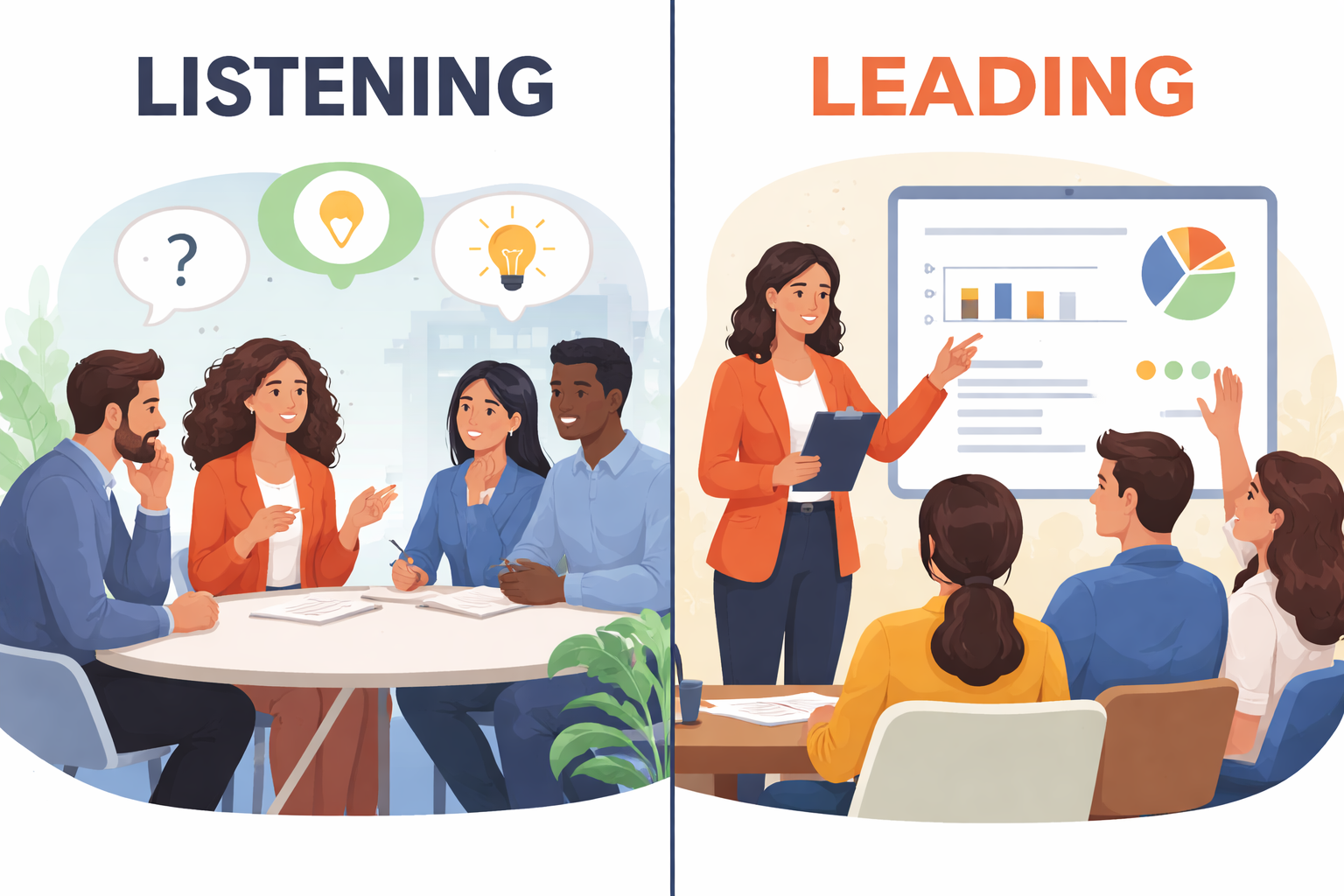
One of the hardest parts of leadership — especially in construction — is knowing where the line is between listening to your team and capitulating to bad ideas.
You want input.
You want engagement.
You want your crew to think.
But at the same time, not every idea is a good one. And if everything turns into a group decision, leadership starts to fade and confusion takes over.
That’s the grey line.
It Starts With Trust
The ability to truly listen to your team starts with trust.
And trust isn’t given automatically — it’s built and earned over time.
On a jobsite, trust is built in the small things:
- Doing your job right when no one is watching
- Being honest about mistakes
- Following through on what you say
- Paying attention to quality, safety, and production
When someone consistently shows competence and honesty, their voice starts to carry more weight.
Not because of their title — but because of their track record.
Not All Ideas Carry the Same Weight
Every team should be open to ideas. That’s how jobs improve.
But not all ideas are equal.
An idea backed by experience, awareness of the full plan, and an understanding of consequences is very different from an idea based on convenience or opinion.
Part of leadership is being able to:
- Hear every idea
- Evaluate it honestly
- Decide what actually moves the job forward
Listening doesn’t mean agreeing.
And agreeing just to keep the peace can be just as damaging as not listening at all.
The Goal: A Team Where No One Knows Who the Boss Is

The best teams don’t operate on ego or authority.
They operate on respect and shared ownership.
In a strong team, the focus isn’t on who’s in charge — it’s on what’s the best way to get the job done.
That’s when you get a team where:
- Good ideas are accepted no matter where they come from
- People speak up without hesitation
- Decisions are made based on what’s right, not who said it
From the outside, it almost looks like no one is in charge.
But in reality, it’s a team of professionals aligned on the same goal.
It Takes Adults to Make That Work
That kind of team doesn’t happen by accident.
It takes maturity.
It takes people who are willing to:
- Check their ego at the door
- Admit when someone else has a better idea
- Stay focused on the outcome, not personal credit
Experience plays a big role here.
People who have been through enough jobs understand that the goal isn’t to “win” an argument — it’s to win the job.
One Person Can Break the Whole System
One Person Can Break the Whole System
The flip side of this is just as important.
It only takes one person being unreasonable to disrupt the flow of a team.
Someone who:
- Refuses to listen
- Pushes their idea no matter what
- Takes disagreement personally
- Prioritizes ego over results
That behavior can break trust.
And when trust is broken, communication suffers. Decisions slow down. Frustration builds. The team loses its rhythm.
But a truly strong team doesn’t fall apart because of one person.
A strong team stays firm in its mentality. The standard has already been set — trust, respect, and doing what’s best for the job.
When one person steps outside of that, the team doesn’t bend to it. They stay consistent. They hold the line. They continue to operate the right way.
Over time, one of two things happens:
- The person adjusts and aligns with the team
- Or it becomes clear they don’t fit that environment
This doesn’t just apply to construction.
It applies to:
- Sports teams
- Marriages
- Friendships
- Any environment where people have to work together
Ego destroys what trust builds — but a strong team protects what it has built.
Final Thoughts
There is no perfect formula for where the line is between listening and leading.
It’s something that gets developed over time through experience, mistakes, and learning how to read people and situations.
But one thing is clear:
The strongest teams are built on trust, honesty, and a shared commitment to doing what’s best — not who’s right.
Questions to Think About
- Where do you draw the line between listening to your team and standing firm on a decision?
- Have you ever agreed with something you knew wasn’t right just to avoid conflict? What was the result?
Leave a Reply